
What Market Organizers Actually Look for in a Vendor Application
You put effort into your vendor application. You filled everything out. You submitted it on time. And then you got a form rejection - or worse, no response at all.
It's frustrating. Especially when you're not sure what you did wrong.
Here's the thing most vendors don't know: the rejection often has nothing to do with the quality of your products. It has to do with how you presented them, or the timing, or a category decision the organizer made before you even applied.
This post is about what's actually going on on the other side of that application.
Organizers Are Managing a Product Mix, Not a Competition
The first thing to understand is that your application isn't evaluated in isolation. It's evaluated against every other application in your category and against the organizer's vision for what the market should look like.
Most market organizers aim for balance. They want a certain number of produce vendors, a certain number of food vendors, a certain number of artisan makers. If they already have four jewelry vendors and you're the fifth, your application may be declined not because your jewelry isn't beautiful, but because the category is full.
This means the rejection isn't about you. It means the timing was wrong or the category was saturated.
What this tells you: apply early. Most organizers fill their category quotas from the top of the waitlist. If you're applicant number 12 in a category that holds 8 vendors, the math isn't in your favor no matter what.
Your Product Description Does Most of the Work
The application question most vendors underestimate is the product description.
Organizers read hundreds of applications. "Handmade jewelry" and "artisan chocolates" tell them almost nothing. They need to be able to picture your booth, understand what's distinct about your product, and quickly decide whether you're a fit.
A good product description does three things:
It's specific. "Hand-poured soy candles with seasonal scents inspired by the New Jersey Shore" is better than "handmade candles." Specificity signals that you have a real brand, not just a side project.
It explains what's different. Why would someone choose your candles over the candle vendor they bought from last season? If you can answer this - your ingredients, your process, your backstory - put it in the description.
It's honest about the category. If you sell body care products that cross into the "soap" category, say that. Organizers hate surprises. Discovering on market day that a vendor's product overlaps with someone else's is a problem. Don't leave this ambiguous.
Write your product description as if you're explaining to a friend what you make and why it's worth buying. Then cut it in half. Keep only the good parts.
Photos Are the Shortcut to a Yes
Most organizers will tell you that a well-photographed booth photo is one of the most persuasive things in an application.
Your booth photo communicates: how you present your product, how professional your setup is, whether you'll look good next to other vendors in the market, and whether you've done this before.
A blurry photo taken in your garage does the opposite of all those things.
If you don't have a good booth photo yet - because you're new, because your setup has changed - use a detailed product flat lay instead. A clean photo of your products arranged well tells a similar story.
What to avoid: selfies, stock photos, photos of your product in someone's home (versus displayed for sale), and low-light photos where the product isn't clearly visible.
If you have market photos from events you've attended, use those. If not, set up your booth in your driveway and photograph it on a sunny day. It takes an hour and it matters.
Meeting Board of Health Requirements for Food Vendors
If you sell food - prepared, packaged, or anything in between - you’ll need approval from the local Board of Health to participate.
These typically include a temporary food establishment permit, safe food handling practices, and in many cases a food handler or food safety certification. Some towns also require documentation on how food is stored, transported, and prepared, along with details on your setup like handwashing stations or temperature control.
This is not optional at established markets. If you cannot meet these requirements, you will not be approved to participate.
Requirements vary by town, but the standard is consistent. You need to show that you understand and can operate within local health regulations.
For non-food vendors, these requirements generally do not apply.
Market Experience Helps, But Absence Doesn't Disqualify You
Organizers like vendors who have vended before. It reduces their risk. They know you'll show up on time, that you understand the flow of a market day, that you won't need hand-holding.
If you're new, be direct about it. Don't try to obscure the fact that you haven't vended before. Experienced organizers can spot a first-timer's application.
Instead, show that you've done your homework. Mention markets you've attended as a customer. Talk about how you've prepared your setup. If you've sold at events that aren't farmers markets - craft fairs, pop-ups, community events - mention those.
New vendors get accepted at good markets all the time. What organizers are really asking when they see "first-time vendor" is: are they going to be a problem? Show them you won't be.
Apply to the Right Markets
This one sounds obvious, but it's responsible for a lot of rejections.
Every market has a personality. Some lean heavily toward farm produce and fresh food. Some are artisan-focused. Some are family-oriented. Some attract a younger, trend-driven crowd. Applying your upcycled vintage clothing brand to a suburban farmers market that's 80% produce is probably a mismatch.
Before you apply, attend the market as a customer. Look at who's there. Look at who's shopping. Ask yourself honestly whether your product fits that context.
If it does, your application will be stronger because you can reference specific things you noticed. "I visited your market in September and noticed you have strong representation in the produce and baked goods categories but limited handmade home goods - which is where I fit" is the opening of a very good application.
Follow Up - Once
If you haven't heard back within the organizer's stated timeline, follow up once. One email. Keep it short: "Hi, I wanted to follow up on my application submitted on [date]. I'm still very interested in participating and happy to provide any additional information." That's it.
Don't follow up a second time. Don't escalate. Don't email from a different address.
One professional follow-up demonstrates interest. Multiple follow-ups makes organizers feel pressured, and pressured organizers don't give spots to the vendor making them feel that way.
The Fastest Way to Get Accepted
Apply early. Write a specific product description. Include a good photo. Have any board of health or documentation ready. Apply to markets that are the right fit.
That's the playbook. Most of the vendors who get accepted aren't necessarily making better products than the ones who get rejected. They're making it easier for an organizer to say yes.
Looking for markets with open applications? Convene connects vendors with organizers across the region. Find your next market.
Run your market with less effort
Convene handles vendor applications, booth fees, and payouts. You get a ready network of vendors already looking for a market like yours.
More Field Notes


Vendor Spotlight
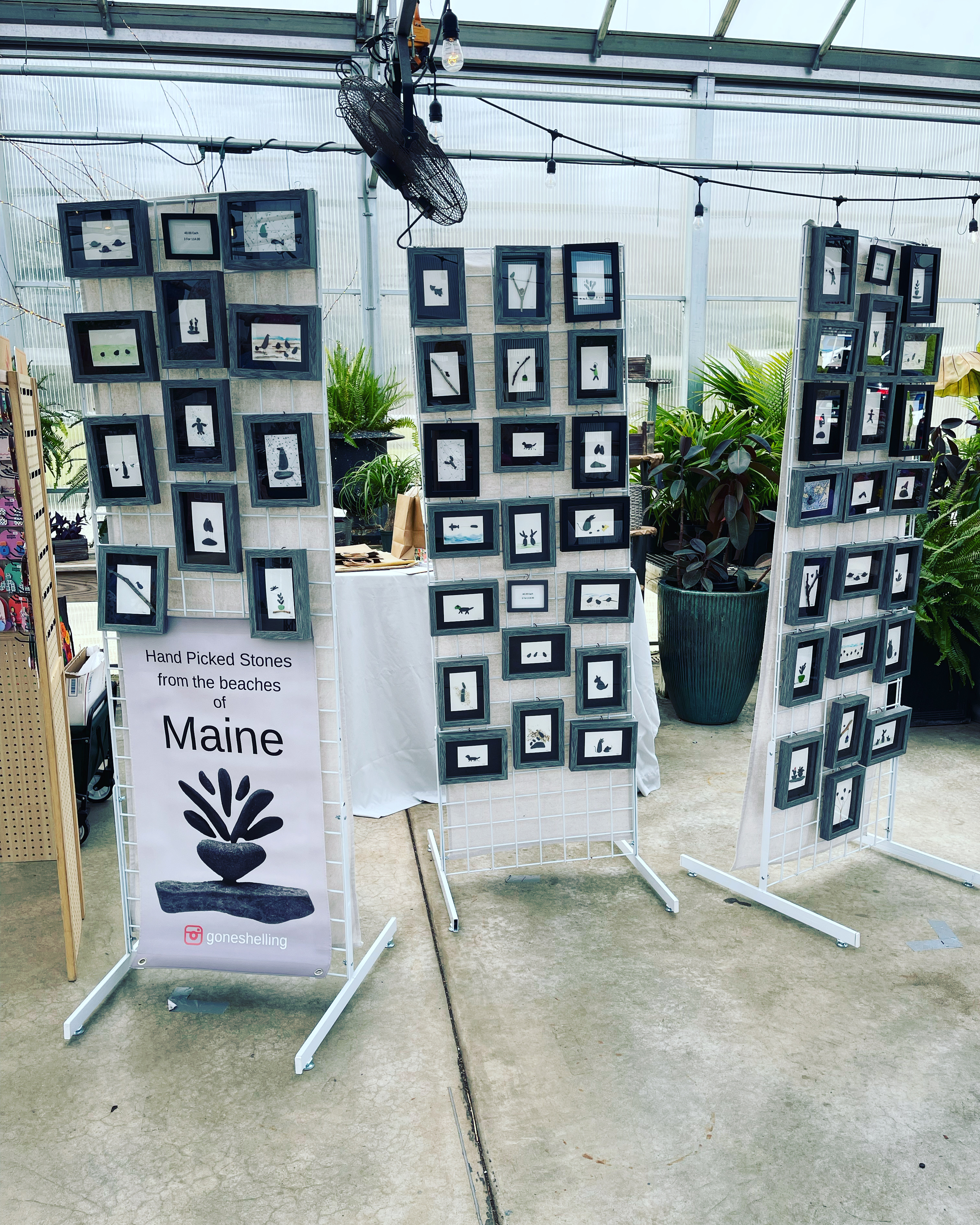
mini Stoneworks
Artisan or MakerMy mini Stoneworks are one of a kind creations using handpicked naturally tumbled slate stones form the beaches of...
Interlaken, NJ
View ProfileRecently Added


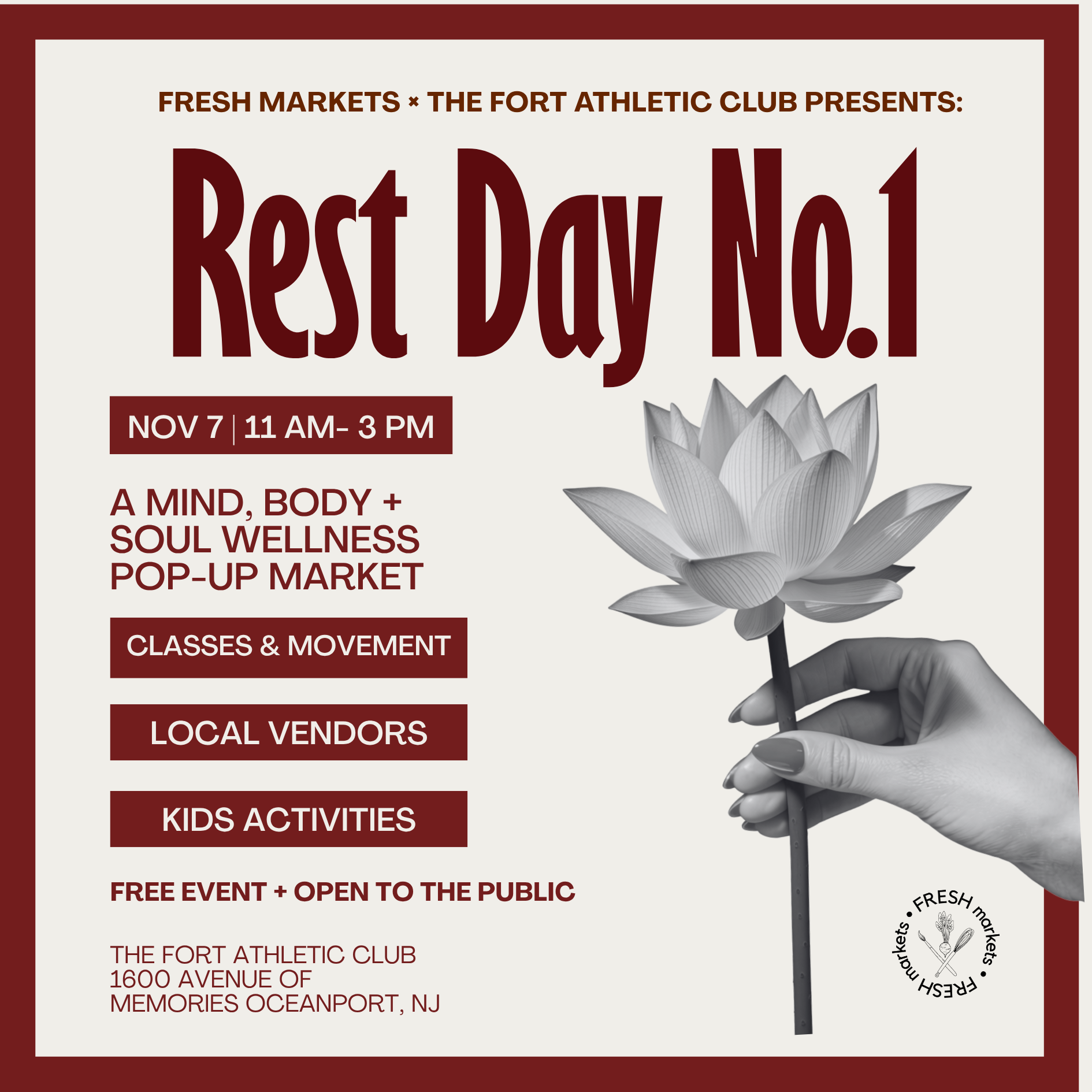
See the Markets in Action
Behind-the-scenes photos, vendor features, and seasonal updates from markets in your area.
Follow @convene.markets